Mold remediation in Walker, MI
Mold in a Walker home does not go away on its own. It spreads to unaffected areas, degrades building materials, and creates ongoing air quality problems. Our IICRC-certified team follows EPA and IICRC S520 protocols: containment, removal, antimicrobial treatment, and independent post-remediation air testing for documented clearance. Walker is a 25,132-resident city in Kent County approximately 5 minutes from our Walker, MI shop. Available every day.
Family-owned since 1981. Michigan Builder's License for full structural reconstruction after remediation. 4.6/5 across 39 Google reviews. For environmentally sensitive clients (asthma, CIRS, biotoxin illness) we partner with Lisa at Well Abode on remediation protocols.
Walker, MI at a glance
Restoration is a local trade. The age of the housing, the watershed, the sewer infrastructure, the lakeshore proximity — they all change how a job is scoped. Here is what shapes the work in Walker.
25,132 residents (city, Kent County). Approximately 5 minutes from our Walker, MI shop.
Kenowa Hills Public Schools. We respond to losses across every attendance area in the district.
- Standale commercial district
- Alpine Avenue retail corridor
- Disaster Response by Ryan headquarters (3707 Northridge Dr NW)
- Standale
- Alpine Avenue corridor
- Alpine Center
ZIP codes: 49534, 49544
Our IICRC S520 mold remediation process
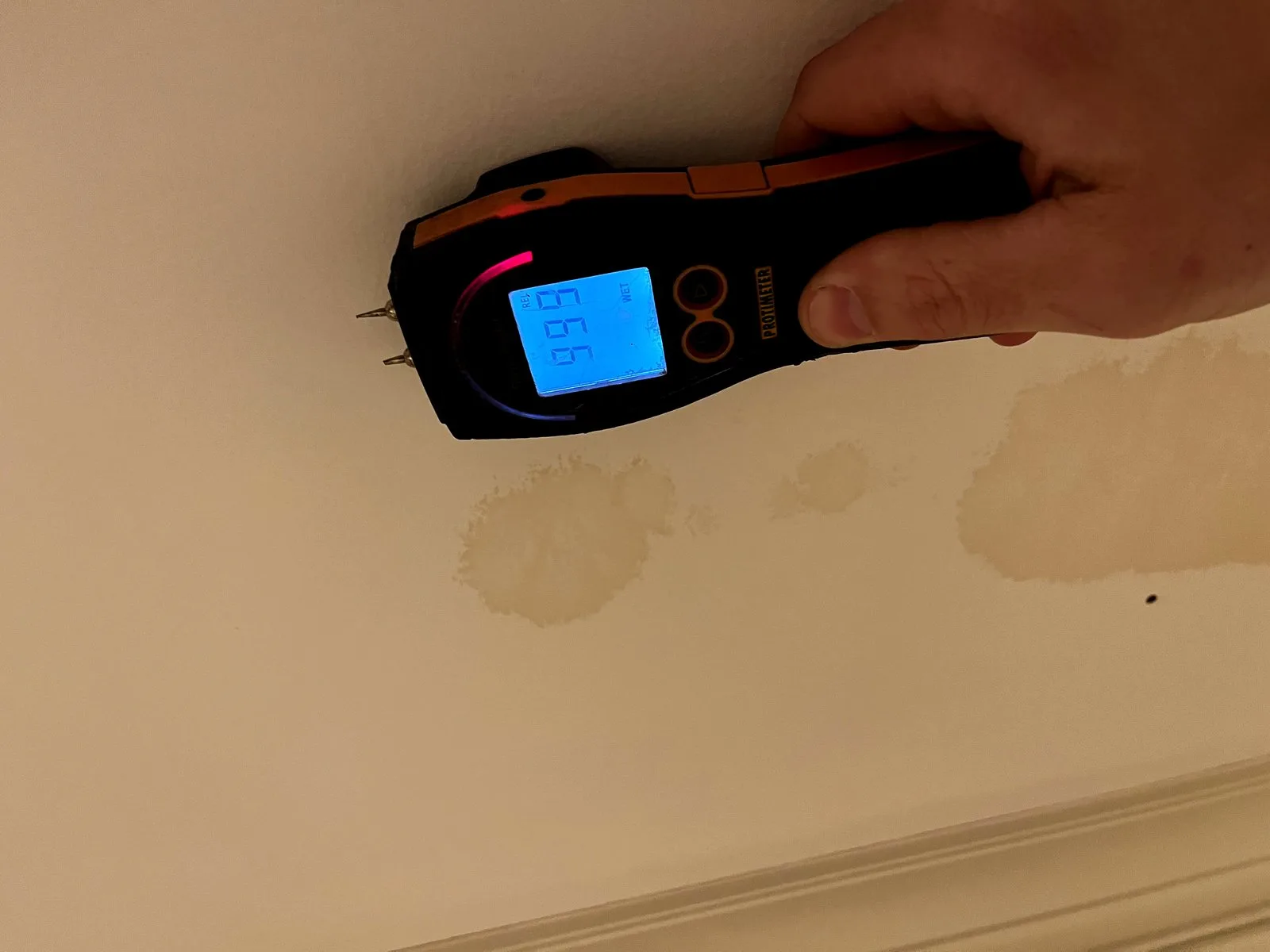
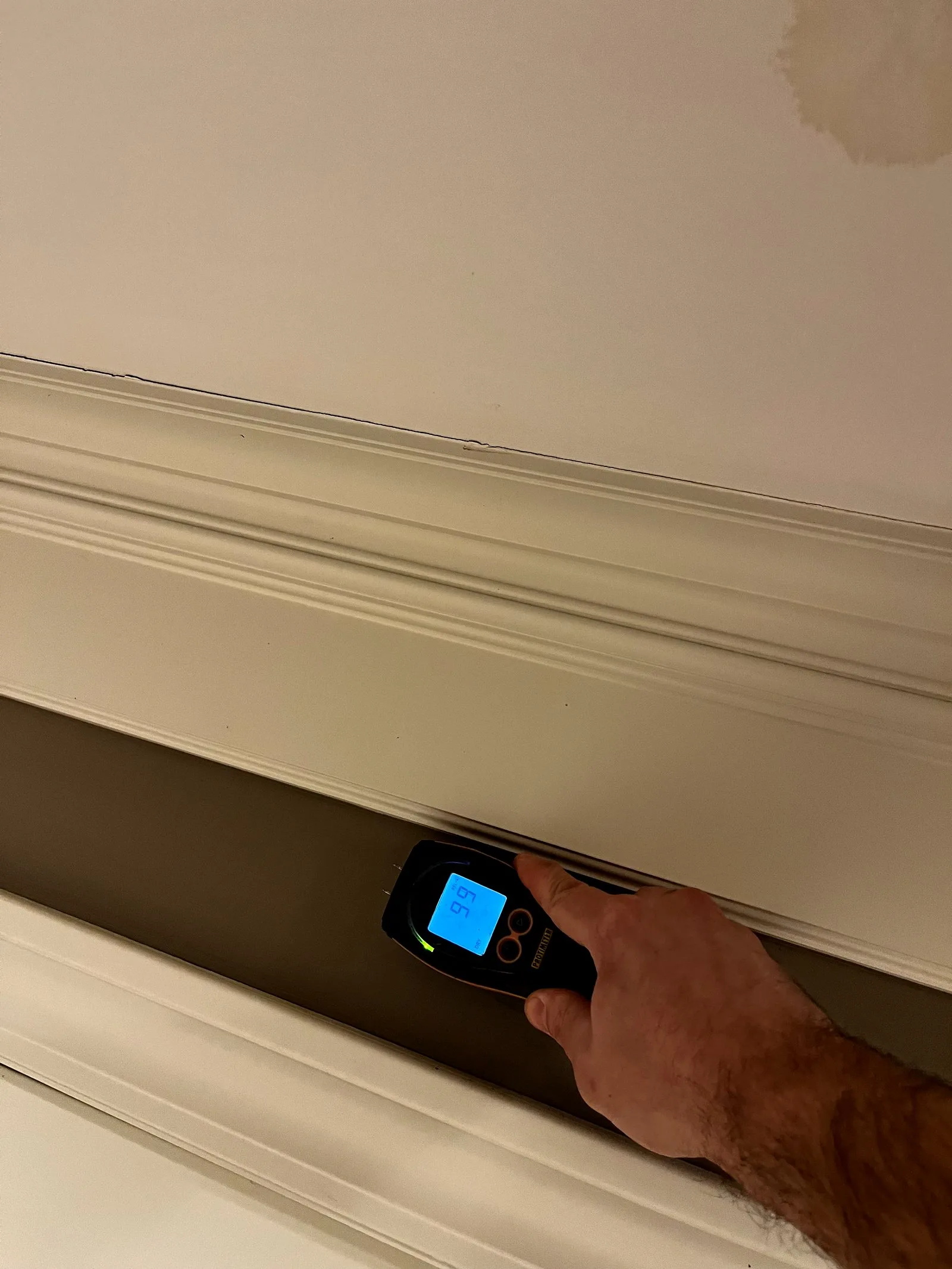
- Inspection and moisture mapping. Thermal imaging and moisture meters locate every active moisture source, including hidden ones behind walls and under floors that are feeding the mold growth.
- Air quality sampling. Baseline spore trap samples identify the species present and establish pre-remediation levels for comparison with post-clearance results.
- Containment setup. Poly barriers with zipper entries plus HEPA-filtered negative air pressure machines isolate the work area. Spores disturbed during removal cannot travel to unaffected parts of your Walker home.
- Mold removal. Porous materials with mold growth (drywall, insulation, wood framing where indicated) are removed, double-bagged in poly, and disposed of per Michigan regulations.
- Antimicrobial treatment. Structural surfaces are treated with EPA-registered antimicrobials. Remaining wood framing is encapsulated where required.
- Post-remediation air testing. Independent lab samples confirm spore counts within outdoor baseline. Work is not complete until clearance is confirmed.
- Full reconstruction. Drywall, insulation, flooring, cabinetry — restored to pre-loss condition under the same contract. One company, complete project.
Where mold hides in Walker homes
- Basements. Kent County's soil conditions and water table make basement moisture intrusion a persistent problem. Mold grows on drywall, framing, and stored materials.
- Crawlspaces. Inadequate vapor barrier allows ground moisture to condense on floor joists. Often undiscovered for years.
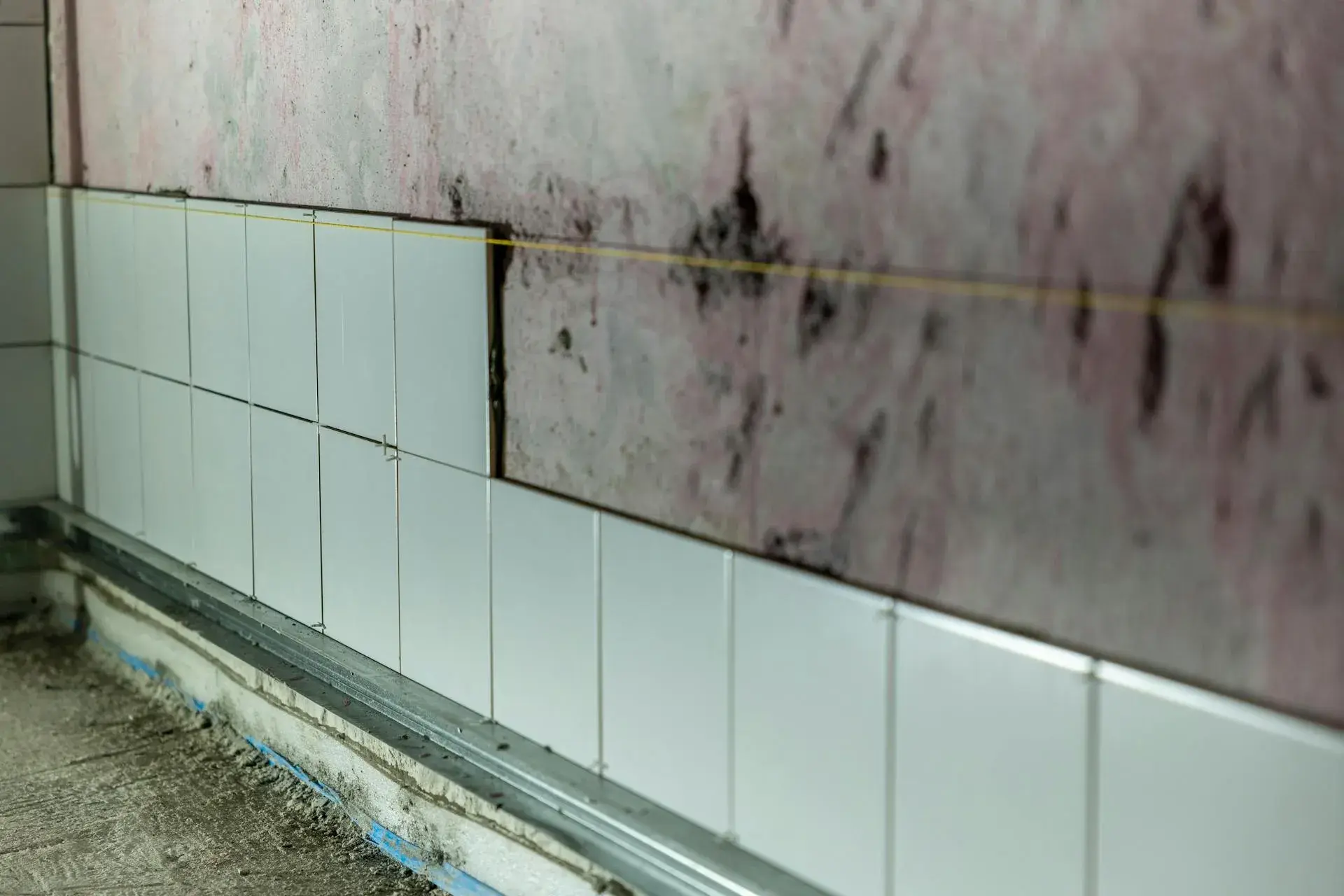
- Bathroom walls. Slow supply line leaks or poor ventilation behind tile. The tile and grout look fine while mold grows on the drywall behind.
- Attics. Improper ventilation causes condensation on roof sheathing, especially in Michigan winters when warm attic air meets cold roof deck.
- After any water event. Water damage that wasn't dried to confirmed moisture readings can produce mold within 24 to 48 hours.
Insurance coverage for mold
Coverage for mold remediation is highly situational. Most standard policies cover mold only if it resulted from a sudden and accidental water loss that is itself a covered peril, and many policies have low sub-limits or exclusions for mold even then. We provide the professional documentation required to submit a claim, but we always recommend verifying specific coverage details with your agent before assuming coverage.
Mold Remediation questions — Walker, MI
How do I know if I have mold in my Walker home?
Common indicators: musty odor (especially in basement or crawlspace), visible black, green, or white discoloration on walls or ceilings, unexplained allergy or respiratory symptoms, or recent water damage that wasn't professionally dried. When in doubt, have it inspected.
Is DIY mold removal safe in Walker?
For very small surface areas (under 10 sq ft) with no hidden growth and no health concerns, limited DIY treatment is sometimes appropriate. For anything larger, anything behind walls, or any situation involving compromised immune systems, professional remediation is essential. Improper removal spreads spores through the air and worsens the problem.
What causes mold in Kent County basements?
Michigan's clay-heavy soils, high water table in many areas, and freeze-thaw cycles create persistent basement moisture pressure. Inadequate exterior waterproofing, foundation cracks, and poor grading that directs water toward the foundation are the most common culprits.
What neighborhoods in Walker have you worked in?
We have completed mold remediation in Standale, Alpine Avenue corridor, and Alpine Center, and we respond to inspection requests across every part of Walker. Each Kent County neighborhood has its own moisture profile, and we scope every job from a fresh inspection rather than from neighborhood assumptions.